
TikTok affiliate marketing has evolved from a side hustle into a legitimate revenue stream for creators and a scalable growth channel for brands. With TikTok Shop driving over $7.7 billion in U.S. video sales in the 12 months ending October 2025, the affiliate ecosystem offers unprecedented opportunities for both parties.
This guide covers everything you need to know about TikTok affiliate marketing—whether you're a creator looking to monetize or a brand building an affiliate program.
TikTok Affiliate Marketing Explained
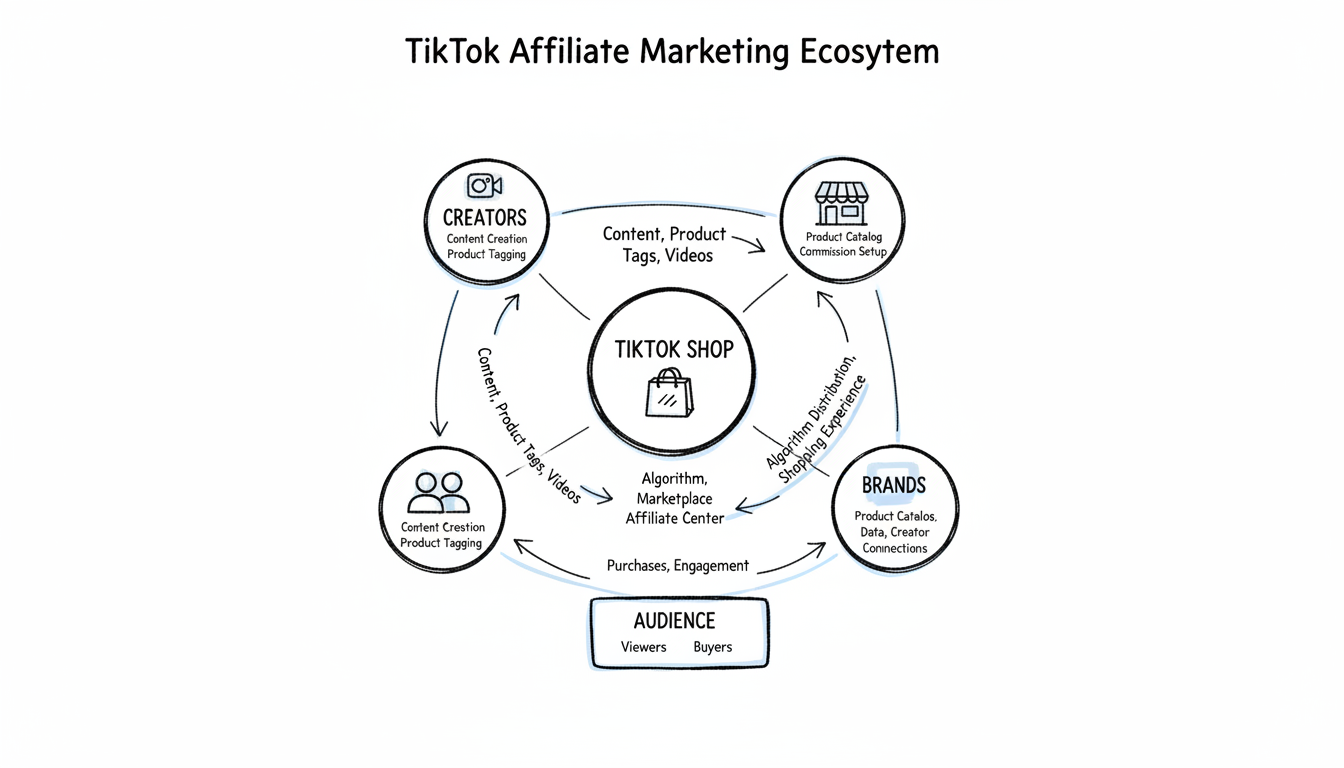
TikTok affiliate marketing allows creators to earn commissions by promoting products through in-app links or tagged videos. When a viewer purchases through that link or tag, the creator receives a percentage of the sale.
How It Differs from Traditional Affiliate Marketing
Unlike traditional affiliate systems that rely on bio links or external redirects, TikTok Shop enables product tagging directly within content—making the buying process seamless and native to the platform.
Key differentiators include:
- In-video product tags (no "link in bio" friction)
- Live shopping integration with real-time affiliate tracking
- Product showcases on creator profiles
- Algorithm-driven discovery (content finds buyers, not just followers)
The Collapsing Follower Barrier
Historically, affiliate marketing required large audiences. TikTok's algorithm changes this dynamic. According to industry analysis, while TikTok's formal affiliate requirements range from 1,000 to 5,000 followers depending on market, many creators bypass these thresholds by registering as individual sellers through TikTok Shop marketing.
This democratization means content quality and product-market fit matter more than raw follower counts.
Getting Started as an Affiliate
For creators looking to monetize through TikTok affiliate marketing, here's how to begin.
Basic Requirements
To join the TikTok Shop Affiliate Program, creators typically need:
- Age: 18 years or older
- Followers: Minimum 1,000-5,000 (varies by market)
- Account status: Good standing with community guidelines
- Location: Available in U.S., U.K., and Southeast Asian markets
Registration Steps
- Access Creator Center in your TikTok app
- Apply for TikTok Shop creator affiliate access
- Complete verification with identity documentation
- Browse Product Marketplace to find items to promote
- Create content with product tags enabled
Understanding the TikTok Business Center interface is essential for managing your affiliate activities and tracking performance metrics.
Choosing Products to Promote
Not all products perform equally. Based on successful affiliate strategies, winning products share common characteristics:
Product Trait | Why It Works |
Visual demonstration value | Shows well in video (beauty, fashion, gadgets) |
Problem-solution fit | Clear pain point with obvious solution |
Price points under $100 | Impulse-purchase friendly |
Trend alignment | Fits current TikTok conversations |
For Brands: Setting Up Affiliate Programs
Brands can leverage TikTok's affiliate ecosystem to generate sales through creator content at scale.
Creating Your TikTok Shop Affiliate Program
- Set up TikTok Shop at TikTok Shop Seller Center
- Complete business verification with required documentation
- Upload product catalog with compelling imagery
- Enable affiliate program in your Seller Center
- Set commission rates and program terms
- Open for creator applications or use targeted outreach
Before launching an affiliate program, consider reviewing a comprehensive TikTok advertising guide to understand how affiliate content integrates with broader marketing efforts.
Recruiting Affiliates
TikTok offers multiple ways to build your affiliate network:
Open Collaboration: Allow any qualifying creator to promote your products through the Product Marketplace.
Targeted Collaboration: Use filters and tags in Affiliate Center to find top-performing creators in your category.
Sample Programs: Some brands receive thousands of sample requests from creators seeking products to promote. Handpick the best-fit creators for your brand.
Scaling Your Program
Major brands have achieved remarkable scale through affiliate programs. According to industry reports, brands like Ninja have generated $40 million in GMV with over 20,000 affiliates, while some brands exceed $100 million GMV with 30,000+ affiliate creators.
Commission Structures
Setting the right commission rate balances creator incentive with your profit margins.
Industry Benchmarks
According to TikTok Shop data, commission rates vary by category:
Category | Typical Commission Rate |
Beauty & Skincare | 15-20% |
Fashion & Accessories | 10-15% |
Electronics & Gadgets | 5-10% |
Home & Lifestyle | 12-18% |
Understanding TikTok CPC benchmarks and TikTok CPM benchmarks helps brands calibrate commission rates against paid advertising costs.
Dynamic Commission Strategies
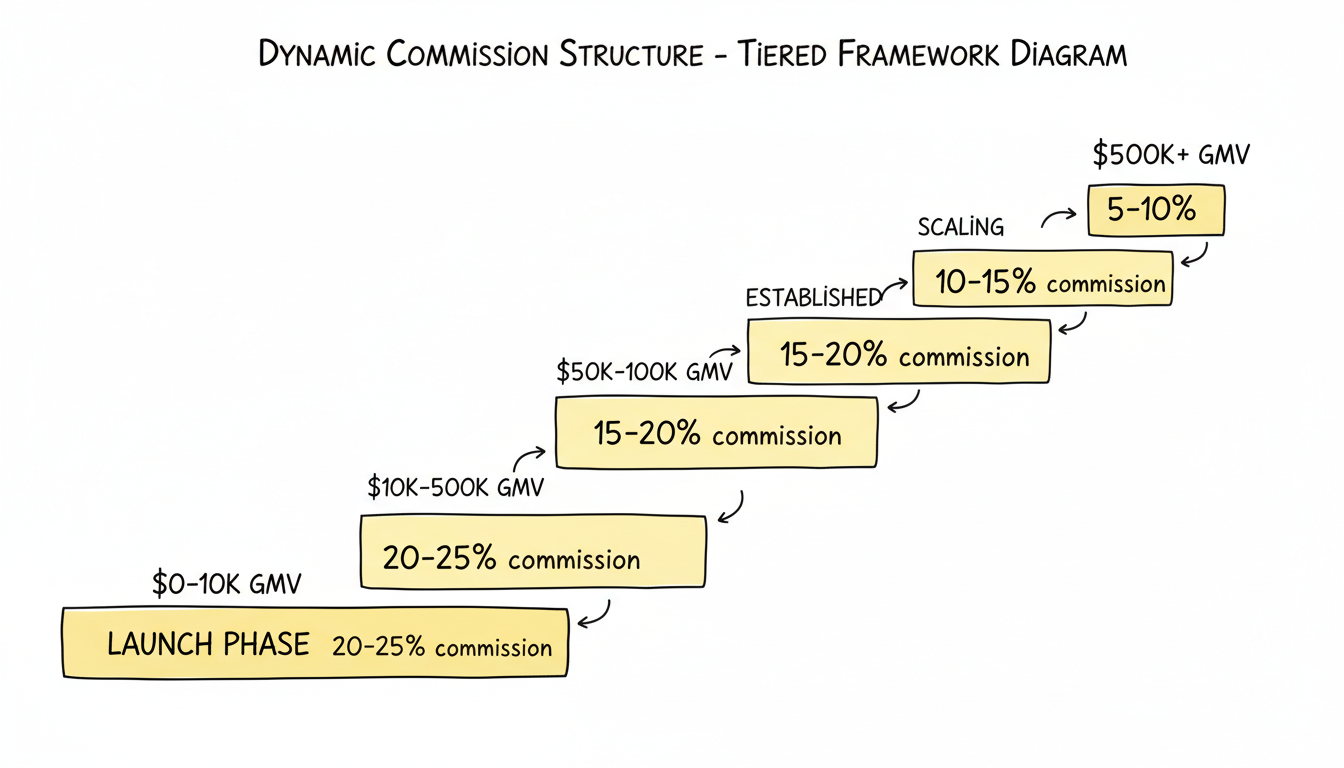
Successful brands often use tiered commission structures based on GMV:
Monthly GMV | Suggested Commission |
$0-10K (launch phase) | 20-25% |
$10K-50K | 15-20% |
$50K-100K | 15-20% |
$100K+ | 10-15% |
$500K+ | 5-10% |
As your product gains traction and creators see proven viral potential, you can reduce commission rates while maintaining affiliate interest.
Payment Terms
TikTok Shop affiliate commissions are paid biweekly after return windows close, reducing chargeback exposure for brands. Creators earning more than $600 annually are subject to U.S. tax reporting requirements.
Best Practices
Whether you're a creator or brand, these strategies maximize affiliate success.
For Creators
Content Volume Matters: Research suggests creators need at least 100 posted videos before the algorithm has sufficient data to optimize distribution. Many creators exit before reaching this threshold.
Content Batching: Produce content in scheduled blocks rather than reactively. This sustains the posting frequency TikTok rewards. Following TikTok ad creative best practices can elevate the quality of your affiliate content.
Authenticity Over Sales Pitches: The most successful affiliate content feels genuine, not promotional. Focus on storytelling and problem-solving, not hard selling.
Diversify Income Streams: Layer affiliate commissions with brand partnerships, Creator Rewards payouts, live shopping gifts, and subscriptions for sustainable income.
For Brands
Track Performance Data: Use TikTok Shop's Affiliate Center analytics to identify which creators and videos drive the most sales. Reach out to top performers for additional collaborations. Learning how to run TikTok ads in parallel can amplify your best-performing affiliate content.
Optimize Product Selection: Test different products through affiliates to identify viral potential before scaling ad spend. Consider using TikTok A/B testing methodologies to refine your approach.
Maintain Quality Standards: TikTok now requires Seller-Fault Return & Refund Rate thresholds (2.5-3% depending on category) to qualify for affiliate collaboration.
Tools and Platforms
Several tools help manage and optimize TikTok affiliate marketing efforts.
TikTok Native Tools
Tool | Purpose |
TikTok Shop Seller Center | Manage products, affiliates, analytics |
Affiliate Center | Recruit creators, set commissions, track performance |
Creator Marketplace | Connect with vetted creators for partnerships |
Product Marketplace | Creators browse and select products to promote |
The TikTok Ads Manager tutorial provides valuable insights into campaign management tools that complement affiliate efforts.
Third-Party Tools
- Content scheduling: Buffer, Later for batching posts
- Analytics: Track cross-platform performance
- Link management: Manage affiliate links across channels
- Creator outreach: Tools like JoinBrands for finding affiliates
Cross-Platform Strategies
Many creators and brands extend TikTok affiliate success to other platforms:
- Amazon Creator Connections: Connect with Amazon-affiliated influencers who also post on TikTok
- Multi-channel content: Repurpose TikTok content for Instagram Reels, YouTube Shorts
- Website integration: Drive affiliate traffic to owned properties
Brands serving specific verticals like ecommerce, fashion, fitness, or D2C should tailor affiliate programs to industry-specific best practices.
Frequently Asked Questions
How Much Can TikTok Affiliates Earn?
Earnings vary significantly based on niche, content quality, and consistency. According to industry data, beginners (0-10K followers) typically earn $0-$500/month, intermediate creators (10K-50K followers) earn $500-$2,500/month, and advanced creators (50K+ followers) can earn $2,500+/month. Top-10% creators averaged $3,290 in monthly commissions in October 2025.
Do I Need a Minimum Follower Count to Join TikTok'S Affiliate Program?
TikTok's formal requirements typically range from 1,000 to 5,000 followers depending on your market. However, creators can bypass these thresholds by registering as individual sellers through TikTok Shop Seller Center, gaining access to affiliate tools regardless of follower count.
What Commission Rates Should Brands Offer Affiliates?
Commission rates typically range from 5-20% depending on product category. Beauty and skincare often command 15-20%, while electronics are typically 5-10%. Start with higher rates (20-25%) during launch phases, then reduce as your product gains traction and proven viral potential.
How Does TikTok Affiliate Marketing Compare to Instagram or YouTube?
TikTok's algorithm-driven discovery gives content the potential to reach millions regardless of existing audience size. With engagement rates averaging 5.69%—significantly higher than Instagram or Facebook—TikTok offers superior organic reach for affiliate content. The platform's native shopping integration also reduces friction compared to competitors.
Can I Do Affiliate Marketing and Run TikTok Ads Simultaneously?
Yes, and the combination is powerful. Use organic affiliate content to test product-market fit, then amplify winners with paid advertising through Spark Ads. This hybrid approach maximizes both reach and authenticity. Review whether TikTok advertising is worth it for your specific business model before committing significant budget.